
View:3862026-08-20 16:08:33 From: Looking for Solar Panel Production Line?
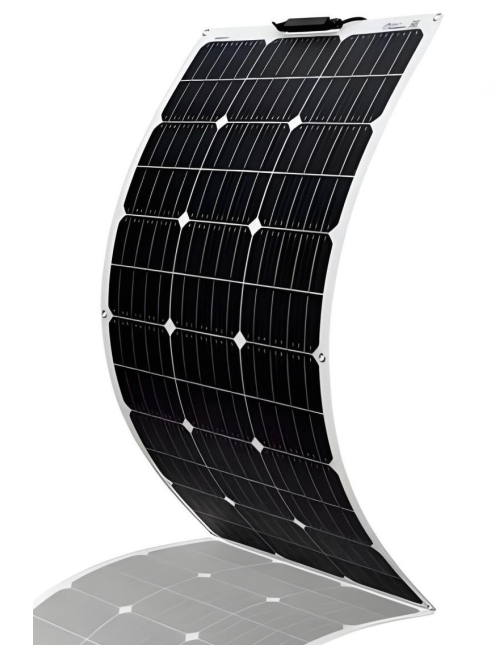
There are two main categories of solar panels available on the market: conventional rigid panels, which are square‑shaped with glass covering; and flexible solar panels, a fast‑growing option in recent years — thin and bendable. Many first‑time users wonder which type is better. There is no universal answer; the right choice hinges on your use case. A panel performs well only when matched to its application, and even high‑end products will underperform if misapplied.
Rigid panels are traditional crystalline‑silicon solar modules. They feature a glass or transparent front sheet and an aluminum frame on the rear, forming a stiff, inflexible structure. Pros: Well‑established technology, stable efficiency and long service life. Most mainstream units can last 25 years or longer. Cons: Heavy, brittle and non‑bendable. They require flat mounting surfaces.
Flexible solar panels adopt thin‑film technology or special flexible crystalline‑silicon materials. They can be bent and rolled, with greatly reduced weight. Pros: Lightweight and versatile, suitable for curved surfaces, easy to transport. Cons: Generally slightly lower efficiency and shorter service life than rigid panels; they are not always cheaper.
Rigid panels are the default option for residential rooftop installations and large‑scale ground‑mount power stations.
Rooftop applications demand robust panels resistant to wind and pressure — an area where rigid panels excel. Given the usually ample rooftop space, their higher efficiency translates to noticeable power output gains over time. In addition, rigid panels benefit from a mature supply chain with abundant brands, wide product selection and accessible after‑sales support.
Rigid panels are also the safer bet for commercial‑industrial projects and ground‑mount power stations pursuing stable long‑term returns. For such capital‑intensive, long‑cycle projects, equipment reliability is paramount.
Flexible panels shine for surfaces where rigid panels cannot be fitted, thanks to their bendable property.
They can be directly adhered onto curved surfaces such as RVs, yachts and tents. They are also ideal for temporary structures and field portable equipment requiring light weight and portability. Furthermore, they adapt to architecturally distinctive builds, including curved roofs and irregular facades.
Bear in mind that flexible panels are not all‑purpose. If you have a flat mounting surface with sufficient space, rigid panels usually deliver better cost‑performance. The strengths of flexible panels only come into play when bending capability is required.
Building 1, Zixin Industrial Park, Yangguang Ave,Jiangxia Economic Development Zone, Wuhan of China
Mon-Fri: 8.30AM-5.30PM (UTC+8)


