
View:4182026-09-07 14:32:48 From: Looking for Solar Panel Production Line?
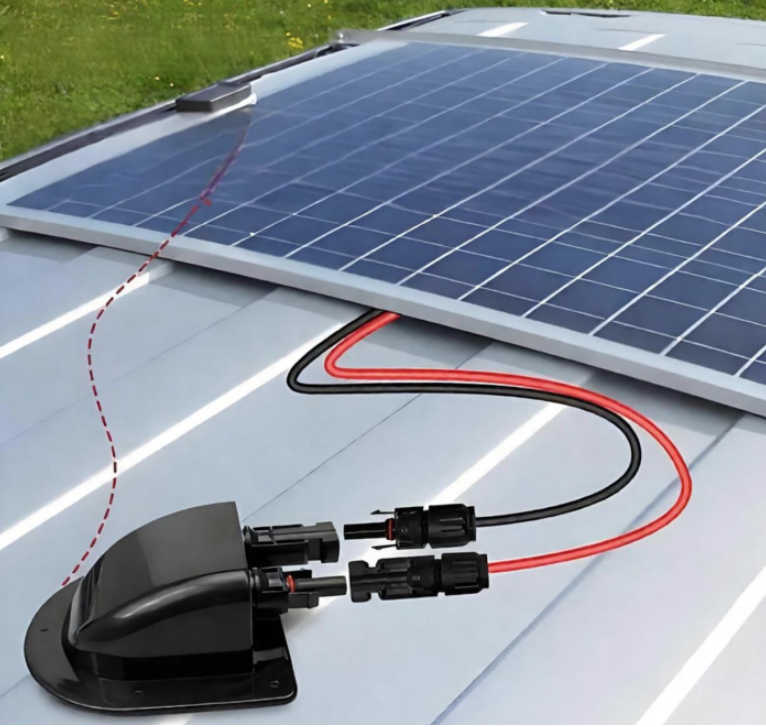
Abstract: What should you do if water enters a solar panel junction box? First, disconnect the inverter and grid connection to ensure safety. Water intrusion into a solar panel junction box may cause short circuits, hot‑spot effects and even fire hazards. Emergency procedures include power cut‑off, water drainage, drying, seal inspection and replacement of damaged components. Master the correct response to water ingress in solar panel junction boxes to prevent minor faults from turning into costly damage.
The junction box is one of the most failure‑prone parts of a solar panel. Though it is only a small enclosure, it carries high‑voltage direct‑current power. Once water gets inside, consequences range from poor power generation to burnt wiring due to short circuits and even safety incidents. Do not panic when you find water in the junction box, yet do not delay handling it. Follow step‑by‑step procedures for safe resolution.
When you discover water inside the solar panel junction box, do not wipe the water first — cut off power instead. Shut down the inverter, then open the DC disconnect switch. Remove the fuse for the corresponding string if available. The junction box remains energized after water ingress; live‑working poses severe risks. Never rush to disassemble the unit while powered, a common dangerous mistake. Proceed only after confirming zero power.
For minor water ingress, tilt the junction box downwards to let water flow out naturally. Do not shake it vigorously or flush it with high‑pressure water jets, as high water pressure will further loosen sealing components. Wipe accessible surfaces with clean dry cloths, then place the unit in a well‑ventilated area for air‑drying. Allow at least 24‑48 hours for thorough drying before reassembly.
After full drying, carefully check whether sealing gaskets are aged or cracked and whether the box cover is deformed. Most water‑leak cases stem from degraded sealing compounds. Meanwhile examine cable terminals for black oxidation and copper conductors for discoloration. If cables show obvious corrosion, replacing only the junction box will not suffice; damaged cables must also be repaired or replaced.
If gaskets are defective, replace the junction box or re‑apply sealant. Use dedicated photovoltaic silicone sealant. Ordinary glass sealant cannot resist ultraviolet radiation and will fail quickly. Select a replacement junction box with matching specifications: its rated current and voltage must not be lower than those of the original unit. Apply an extra bead of sealant along the cover edge after installation for double‑layer protection.
Use a megohmmeter to measure cable‑to‑ground insulation resistance prior to reassembly. Even when surfaces appear dry, residual moisture may persist internally. Energizing the system with sub‑standard insulation will lead to recurring faults. Reconnect the system only when insulation resistance meets requirements. Observe the inverter for error alerts and verify normal power‑generation curves.
Most water‑ingress incidents are preventable. During installation, ask technicians to verify sealing conditions for every junction box and replace defective gaskets on‑site. Conduct annual inspections focusing on bulging, discoloration and water‑stain marks on junction boxes. For rainy southern regions, carry out inspections every six months. Junction boxes themselves are low‑cost parts, yet water damage can trigger cascading failures with high repair expenses.
Water ingress in solar panel junction boxes is fairly common. Proper handling generally preserves normal service life. Perform routine checks, respond promptly following the above procedures upon water exposure, and the equipment can resume regular operation after complete remediation.
Building 1, Zixin Industrial Park, Yangguang Ave,Jiangxia Economic Development Zone, Wuhan of China
Mon-Fri: 8.30AM-5.30PM (UTC+8)


